Keys on the Counter

The sign on the gate doesn’t say what you’ll find behind it, but it also doesn’t say to stay out. It isn’t locked anymore.
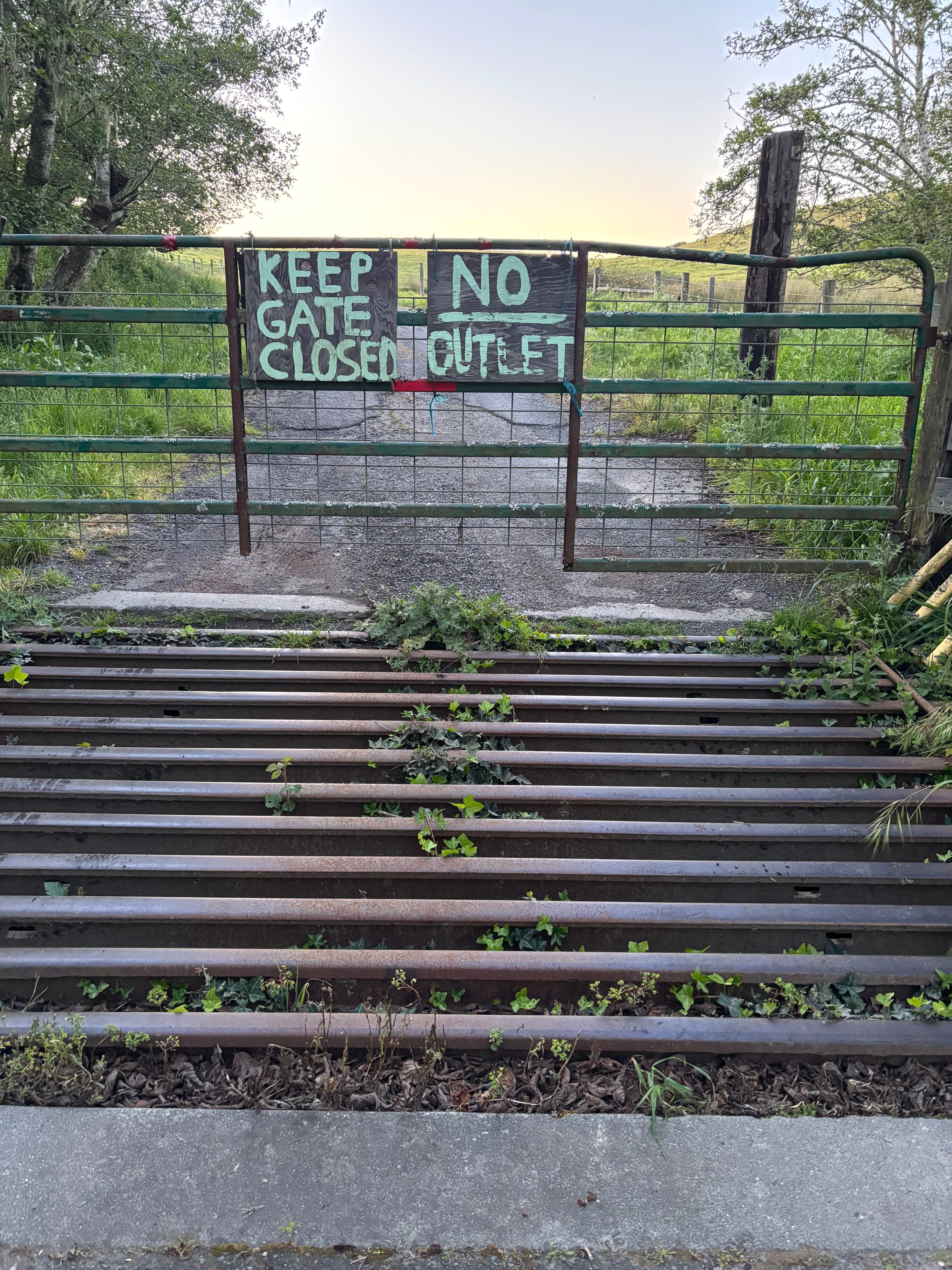
If you go through, a half-mile of driving will take you to another gate, open to people but closed by a cattle guard.
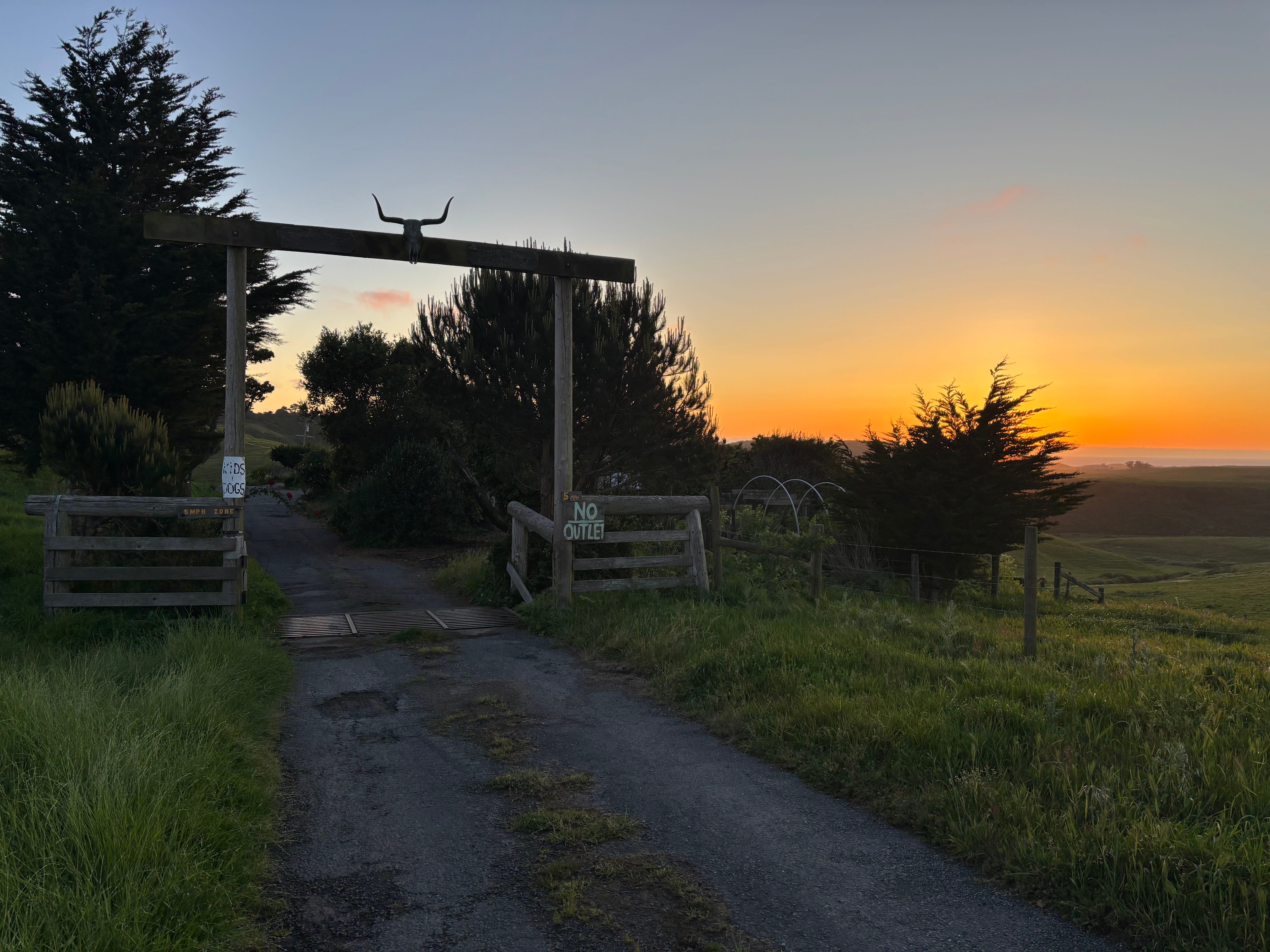
That hazy gray-blue strip behind the hills on the right is the Pacific Ocean. The sign on the left says to watch for kids and dogs, but you won't find either. You won’t find anyone. There’s a garden, with a greenhouse, neatly laid out but now untended.
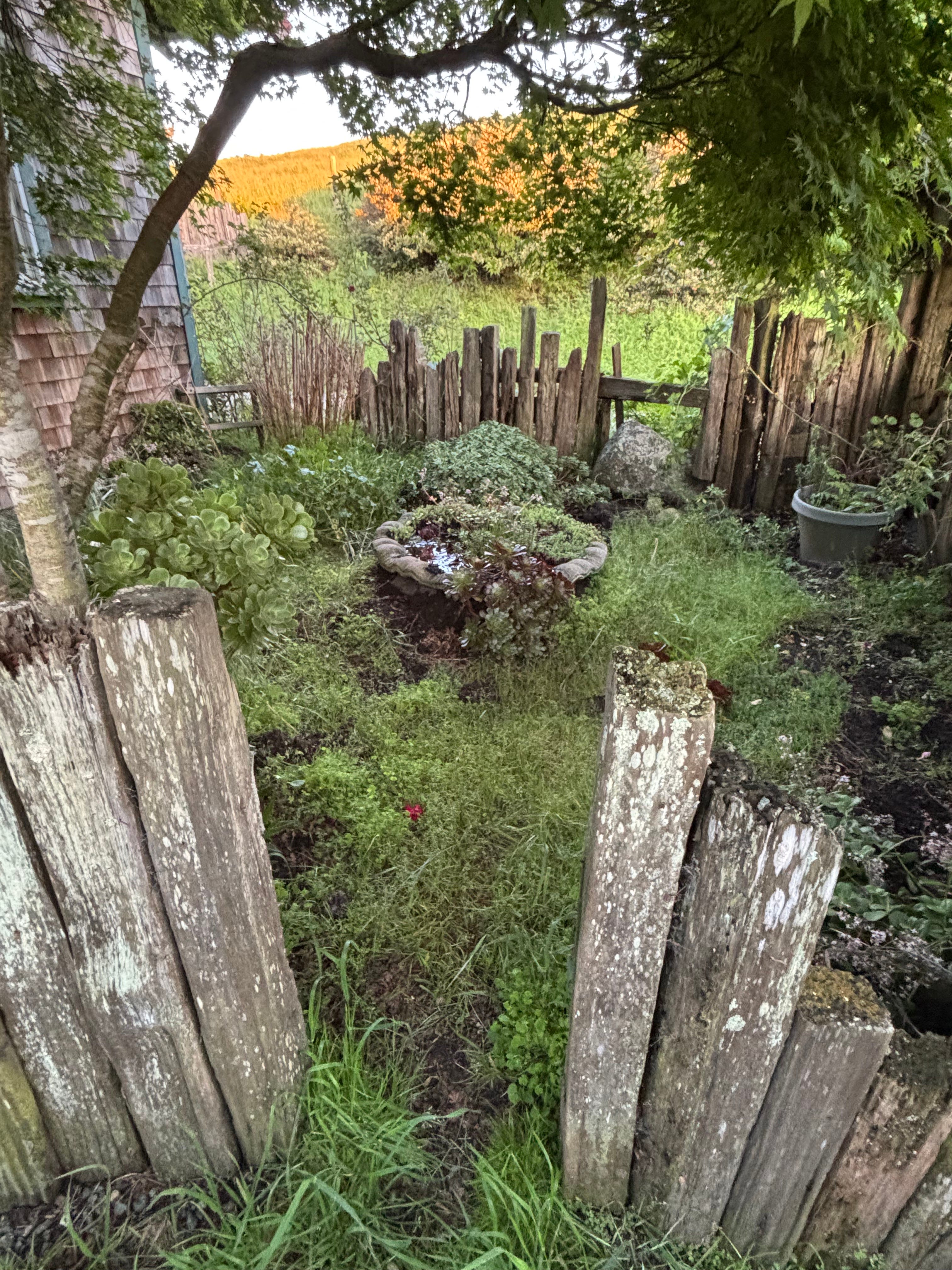
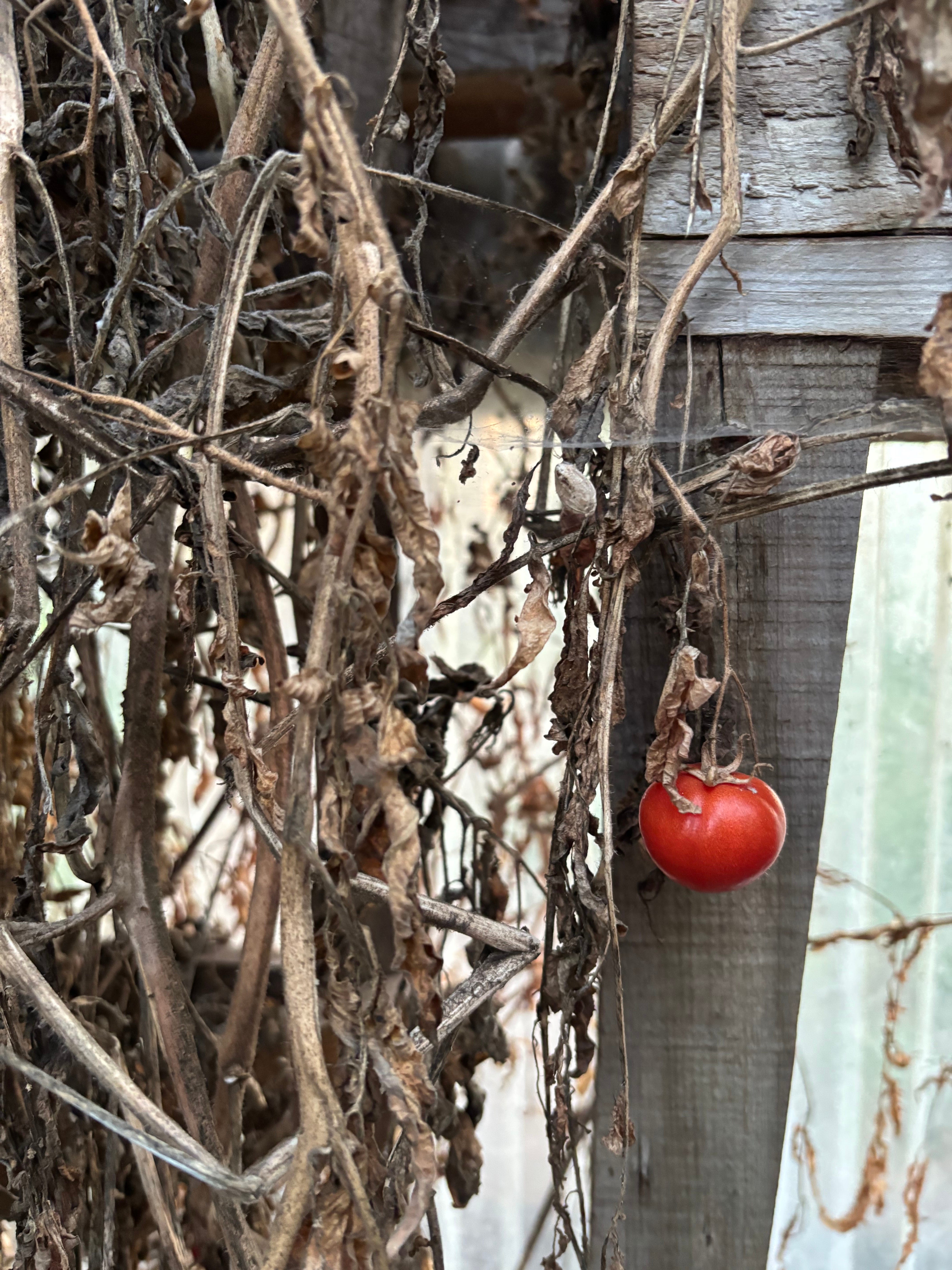
A few tomato plants inside the greenhouse are flowering, but there’s no one to water them. They’ll die as flowers. Past the garden are the houses. The doors aren’t locked.
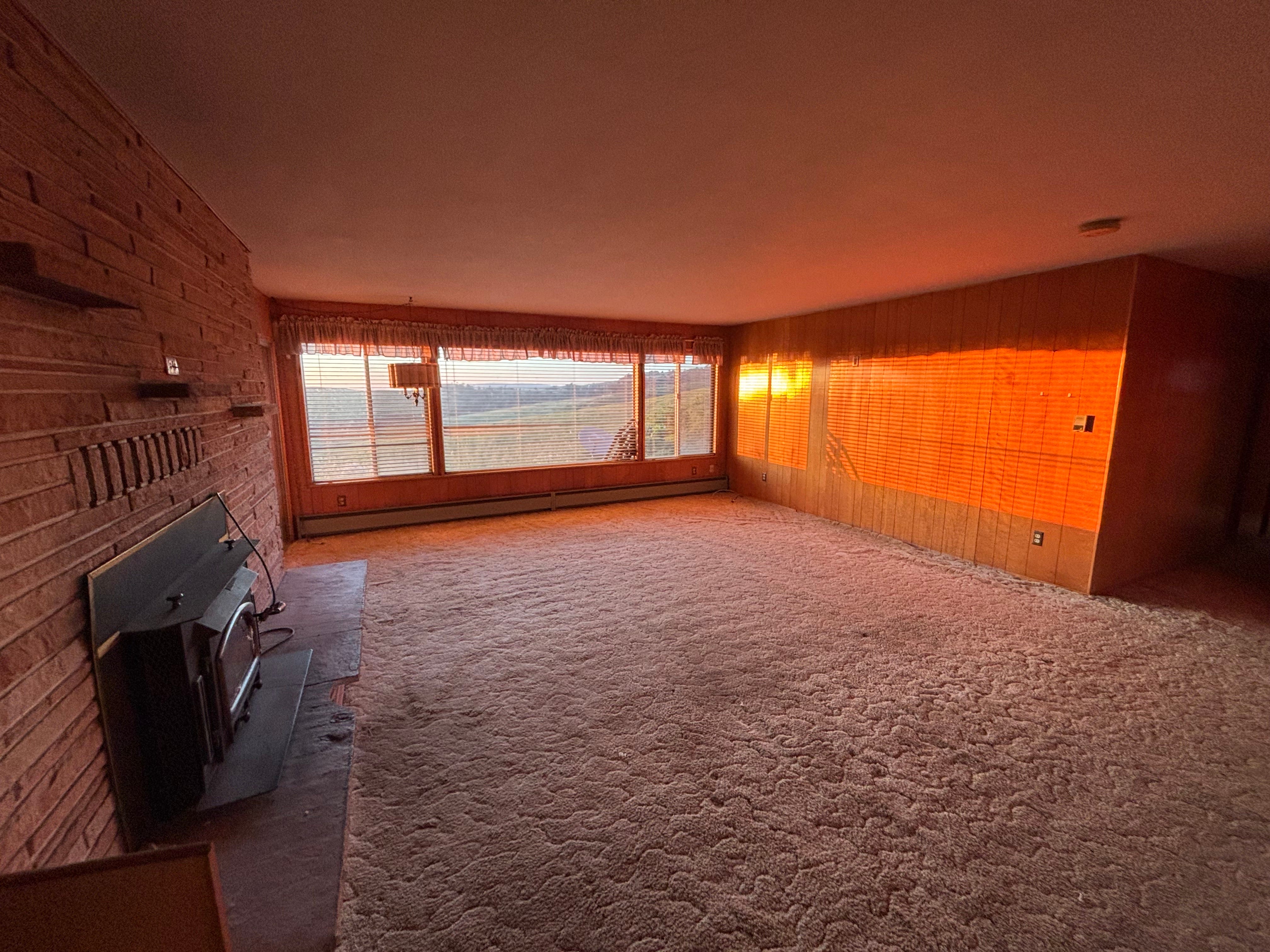
The bedroom windows look out onto the ranch buildings down the hill.
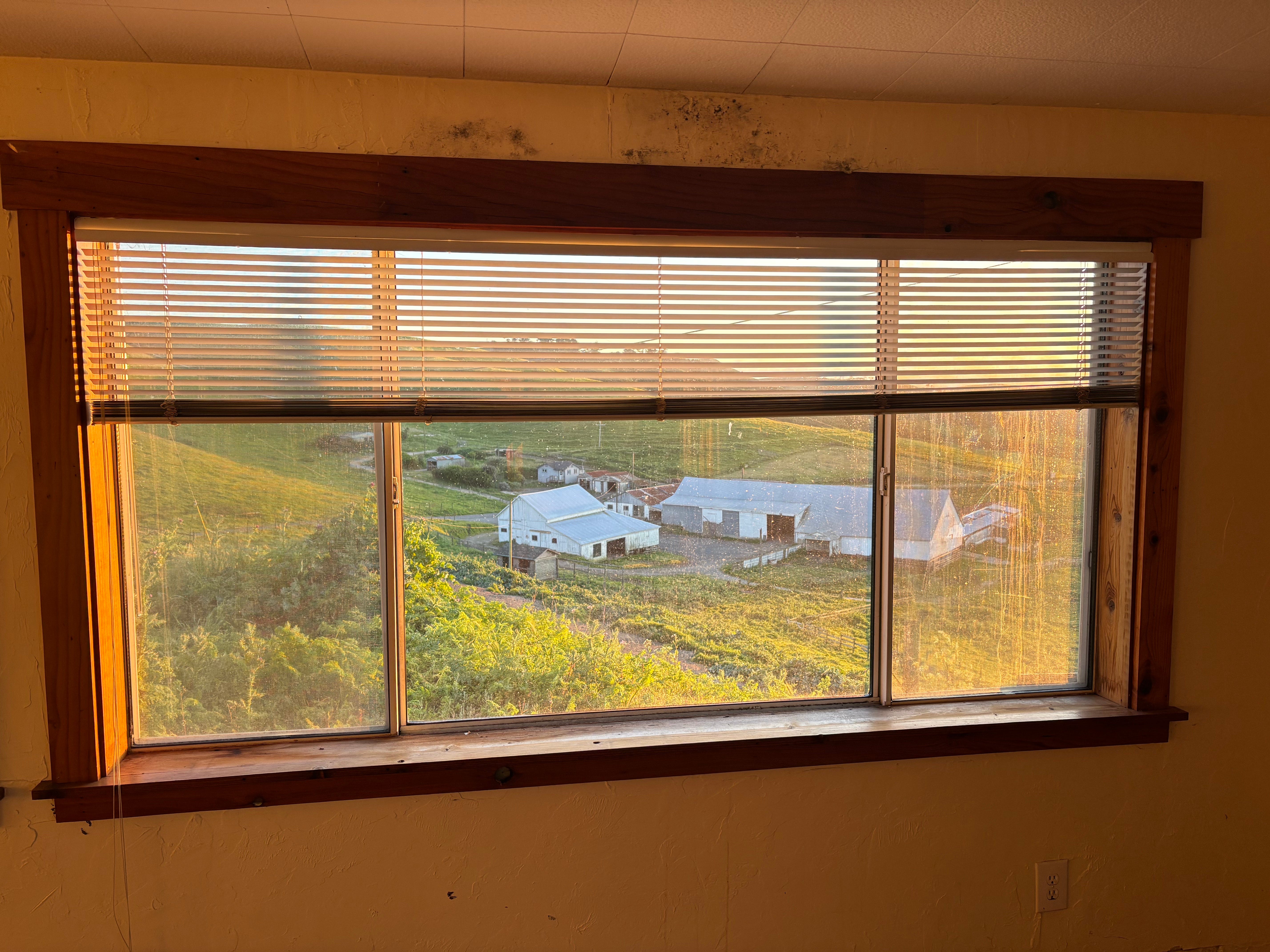
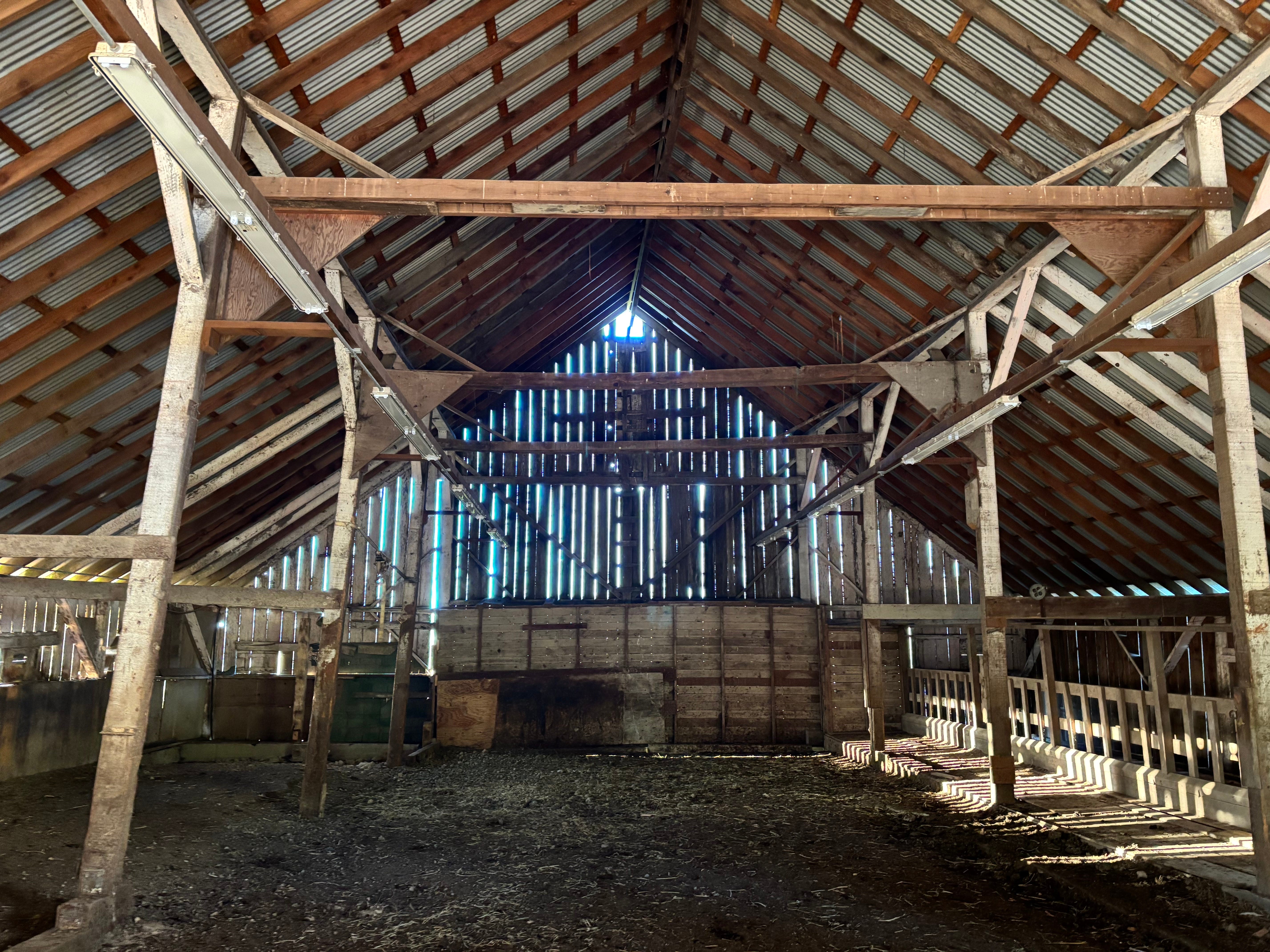
But you won’t find cattle.
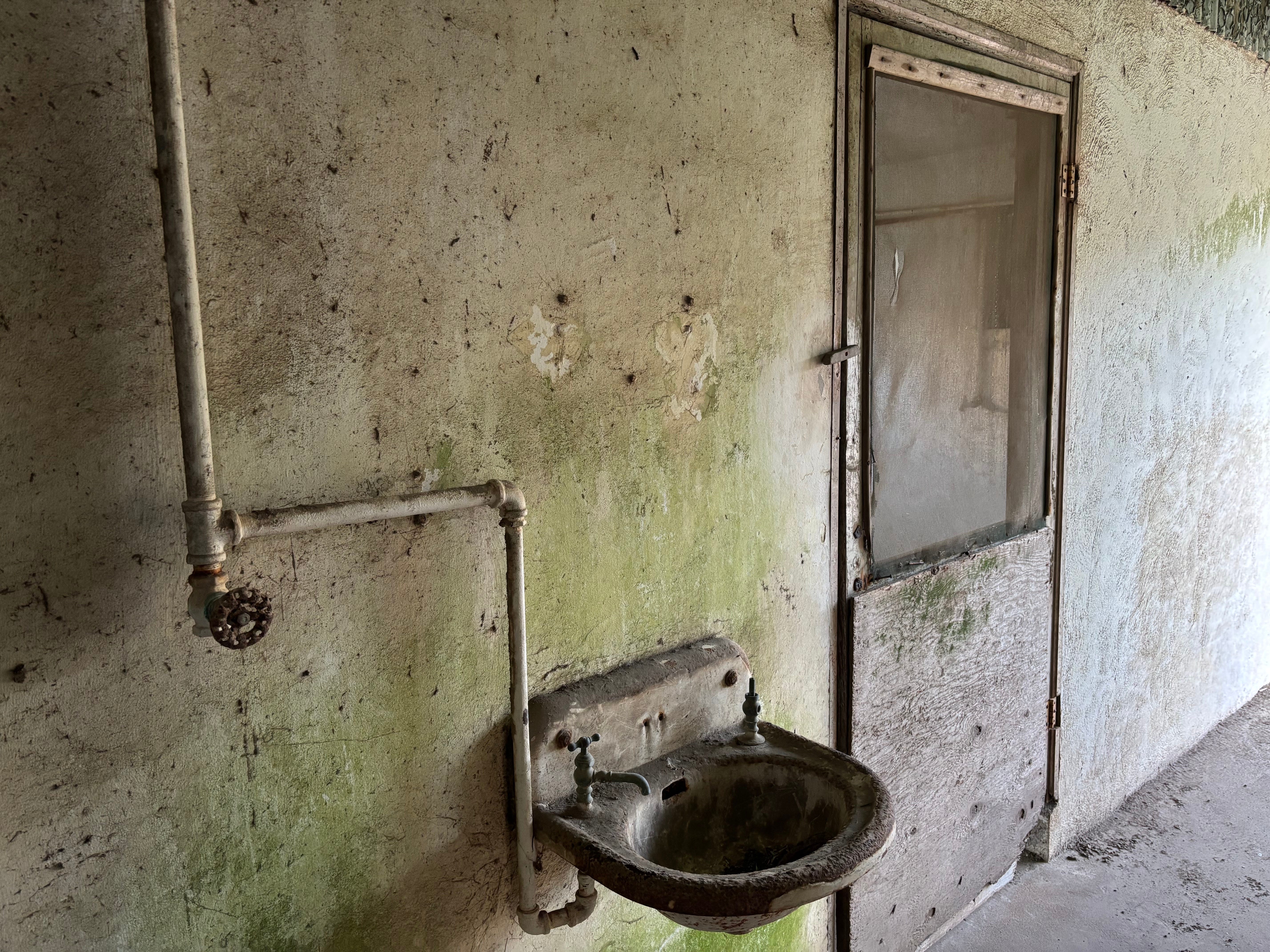
And you won’t find ranch hands, though you’ll see signs that they worked here.
Cattle ranching at Point Reyes began in the 1830s, or maybe a little earlier, and then began again under new land title in the 1850s, in the American era. People who ran the ranches on this oceanfront land about an hour north of San Francisco talked about the distant past when their great-grandparents were the stewards of the place. When you talk to the current generation, they tell you about their childhood here, thirty or forty years ago. The last ranchers are clearing out, now, and most are already gone, following a lawsuit by environmental groups that argued against grazing on public land. The people who walked away from this ranch left the keys on the counter for the National Park Service, but no one has stopped by to pick them up.
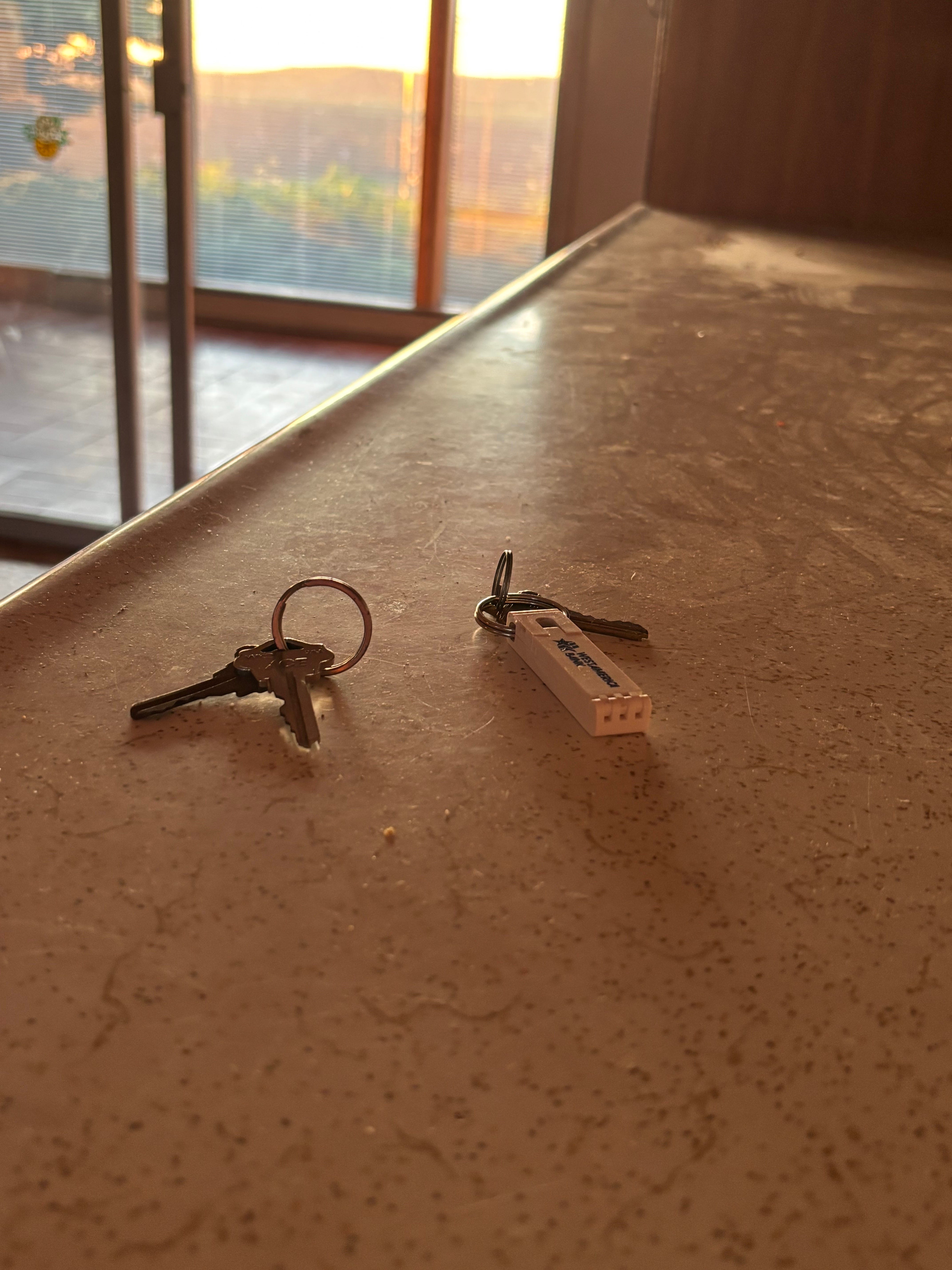
And now they’re gone.
Have been traveling. More soon.
Chris, the final photograph of the abandoned keys is unutterably sad.
A perfect metaphor for our time. The idea that "doing nothing", "hands off", is somehow the best course of "action".
In the case of the environment, it's lead to mismanaged forests and rangelands, invasive species, catastrophic wildfires, and ultimately even less habitat for wildlife because it's been degraded. Yes, it can be over-exploited, but "doing nothing" is also a decision; the idea of sensible, moderate intervention and development seems beyond us.
Now take Iran. 50 years of "doing nothing", timidity, even enabling with pallets of cash has only exacerbated the problem. Yet now that Trump is trying to actually address this long-festering abscess, suddenly all his critics act as though the approaches of previous administrations have been an unqualified success.
Illegal immigration, infrastructure, health care, voting and government integrity, and much more, the list seems endless, and all have suffered from the idea that through some mysterious alchemy, "doing nothing", "hands off", status quo, will somehow work out well. I'm not a physicist, but I believe the principle of entropy tells us otherwise.